SME Packages – AI: a practical guide to Luxembourg’s 70% aid
70% of eligible costs on projects of €3,000 to €25,000. The money is real, but the order of the steps decides whether you get it: apply before you sign, file through MyGuichet.lu, and pay the whole invoice first.
Published 13 October 2026·12 min read
70%
of eligible costs covered
€17,500
maximum aid on a €25,000 project
3 months
decision period for a complete file
533
SME Packages approved in 2025
The short version
70% of eligible costs, on approved projects of €3,000 to €25,000 excluding VAT. Up to €17,500.
Apply before you commit. Since the 15 September 2026 reform, signing the quote or paying a deposit first can cost you the aid.
Applications now go through MyGuichet.lu. Post and email are no longer accepted under the new procedure.
It is a reimbursement. You settle the provider in full, VAT included, and the grant arrives later.
A small electrical contractor in Luxembourg wants an AI receptionist.
Calls come in all day, usually while the two employees are on a customer's site. Some go unanswered, appointment requests pile up, and the owner spends part of every evening ringing people back.
An AI phone agent could take the first conversation, collect the caller's details and pass on what the job is.
The quote comes to €8,000: configure the system, connect it to the tools the company already uses, get it ready for daily work. Then the supplier mentions that the Luxembourg government could cover 70% of it.
On €8,000 that is €5,600 of public support and €2,400 to find, assuming the whole project is eligible.
Attractive. But before signing anything, the contractor needs four answers. Does the company qualify? Which parts of the quote are eligible? Does the application have to come before the work? And when does the money actually arrive?
SME Packages – AI is not a discount on AI software. It is a government implementation programme with its own eligibility rules and its own application sequence, and the sequence is where projects go wrong.
What the programme is
SME Packages – AI helps small and medium businesses bring artificial intelligence into their existing processes. It launched in March 2025 as part of the Ministry of the Economy's SME Packages family, alongside digitalisation, cybersecurity, sustainability and customer service.
The aim is deliberately unambitious. Companies are not expected to develop AI. They are expected to work out what they need and implement something that already exists, with help from Luxembourg's business-support organisations.
So no in-house IT department is required. The programme is built around hiring a provider to deliver a defined solution.
Guichet.lu puts the support at 70% of eligible costs for projects between €3,000 and €25,000 excluding VAT. The theoretical maximum on a fully eligible €25,000 project is therefore €17,500.
With one condition that does most of the work in that sentence: the Ministry of the Economy has to accept the application and the costs in it.
Every row assumes the Ministry approves the project and recognises the whole amount as eligible expenditure.
A €10,000 quote does not automatically produce €7,000. If only €8,000 of it qualifies, the grant is €5,600.
VAT sits outside those thresholds. How it lands in your cash flow depends on your invoicing and recovery position.
And the programme reimburses.
You pay the whole invoice. The 70% comes back afterwards, not off the top.
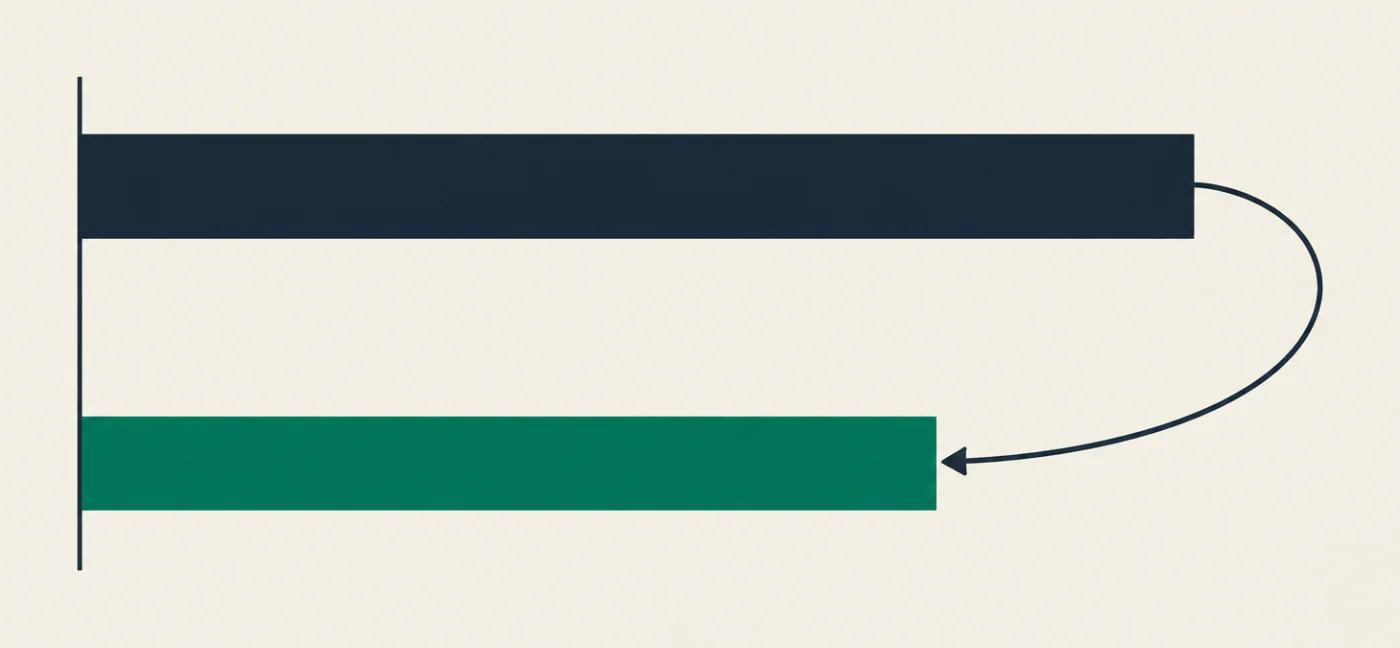
You pay the provider before the state pays you. On a €10,000 project that means having enough cash to settle the invoice in full, VAT included, even though the eventual net cost is €3,000 excluding VAT.
The subsidy reduces what the investment ends up costing. It does not remove the need to finance it first. For a small company with thin reserves, that is the part worth planning around.
Who qualifies
The programme is for businesses established in Luxembourg that meet the SME criteria. Guichet.lu sets out three main conditions.
A registered office in Luxembourg. Serving Luxembourg customers from elsewhere does not count.
A business permit issued by the Ministry of the Economy. Worth checking for independent professionals, some of whom operate under a different professional authorisation.
SME status. Under the standard EU definition that generally means fewer than 250 employees and either turnover up to €50 million or a balance-sheet total up to €43 million.
Linked and partner companies can be pulled into that assessment. A business that looks small on its own may have to count a wider group.
Those are the basic criteria, not a guarantee. The underlying aid framework carries further rules on particular activities, on aid already received and on other conditions. For a sole trader or a small service company, the sensible first move is to have eligibility checked by the programme adviser rather than assumed.
The programme is about putting AI into processes a business already has. For a small company the useful candidates tend to be ordinary administrative problems rather than ambitious technology.
A service company wanting an assistant to collect and structure incoming requests. An independent professional drowning in repetitive document handling. A firm with a few employees wanting an AI-supported workflow to pull information out of documents, draft internal summaries or sort customer enquiries. A tradesperson who keeps missing calls.
These are examples worth raising with an adviser, not a list of pre-approved spending.
The official page describes the objectives broadly and publishes no item-by-item schedule of which licences, subscriptions, training, equipment or support contracts qualify. Which puts a lot of weight on the quotation.
Implementation is not operation
Take the AI receptionist. The implementation might cover configuring the assistant, building a knowledge base out of the company's own information, connecting it to existing software, testing conversations and getting it ready for use.
The same provider might also charge for call handling, hosting, maintenance, support or software access.
Those are different kinds of expenditure. Some may belong to an approved implementation project. Others are recurring operating costs the company keeps paying by itself.
Do not assume an AI subscription attracts 70% support. Do not assume every integration service is eligible because it involves AI either.
Get the scope and the individual cost categories checked by the adviser and written into the approved application. A detailed quotation makes that assessment possible, and it is cheaper than discovering after implementation that part of the spend cannot be reimbursed.
Does an AI receptionist qualify?
For Luxembourg SMEs looking at AI telephone answering, this is the question under the question.
A voice agent can answer calls, take the caller's details, establish what the enquiry is about and pass it on. A fuller implementation might connect to an appointment calendar or a customer-management system. That sits comfortably within the programme's stated objective of putting AI into business processes.
It does not make any particular product automatically eligible.
Fynd sells an AI voice agent for local businesses, with a basic setup advertised from €2,499 excluding VAT and integrations quoted separately. That basic price alone sits below the programme's €3,000 minimum project value.
A larger implementation could reach the threshold through configuration, integration and related work that is genuinely needed. The extra items would still have to belong to a real project and meet the eligibility rules.
Padding a quotation to clear the threshold is not a strategy. It is the thing the eligibility check exists to catch.
The better question is whether the company has an operational problem that justifies an implementation of that size. If it does, put it to the programme. If a plain subscription or a basic install already fixes it for less, judge that option on its own merits.
Public money can make a worthwhile investment affordable. It is not a reason to buy a more expensive one.
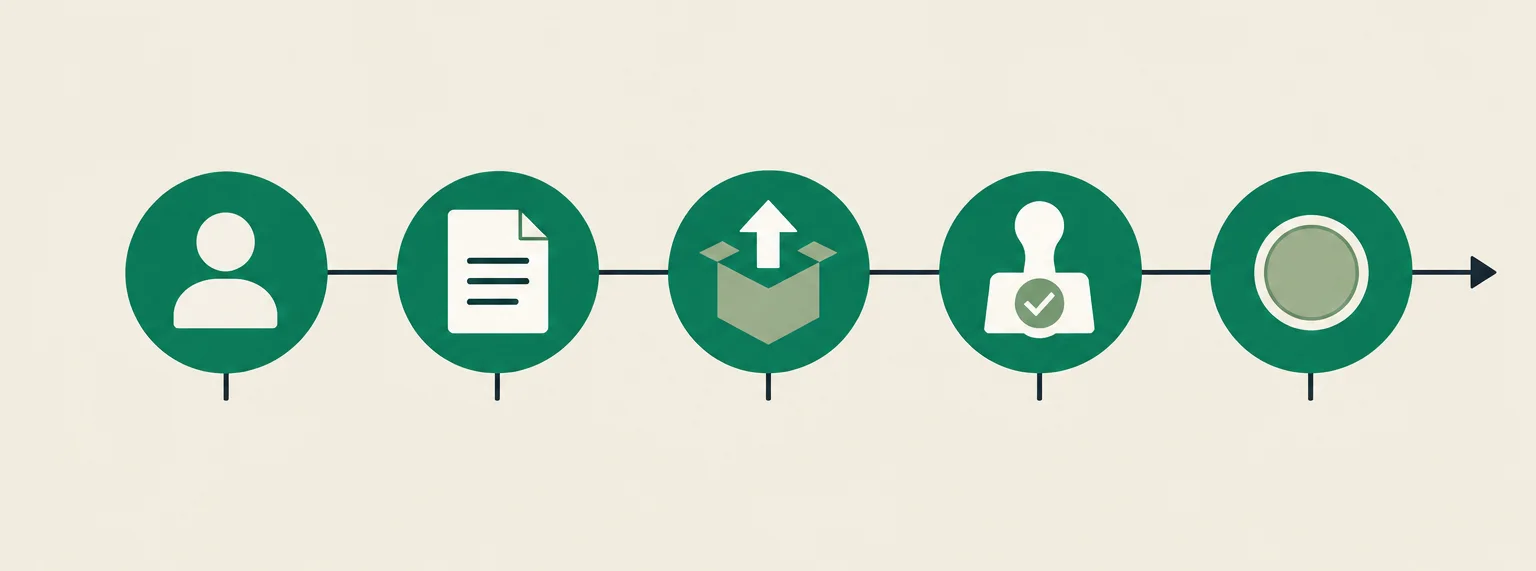
How to apply, in the right order
The stages matter less than the order they happen in.
1. Preliminary assessment first
Interested businesses contact the right support organisation before anything else.
Commercial and other non-craft businesses start with the House of Entrepreneurship, run by the Chamber of Commerce. Craft businesses, which covers most trades and home services, go to eHandwierk at the Chambre des Métiers.
An adviser reviews the company's situation and helps define the project. This assessment is a mandatory part of the process, and it is the right moment to raise eligibility, aid already received, the budget and which categories of cost are likely to qualify.
2. Define the project and pick a provider
The business chooses who it wants to work with and gets a quotation. The project has to fit the €3,000 to €25,000 range excluding VAT.
A good project description names the problem, the proposed solution, the work needed to implement it and the operational benefit expected. For an AI receptionist, that might document how many calls are currently missed, which requests should be handled automatically, and how the captured information reaches employees.
The quotation should separate implementation from recurring costs and state the deliverables plainly.
3. Apply before committing to anything
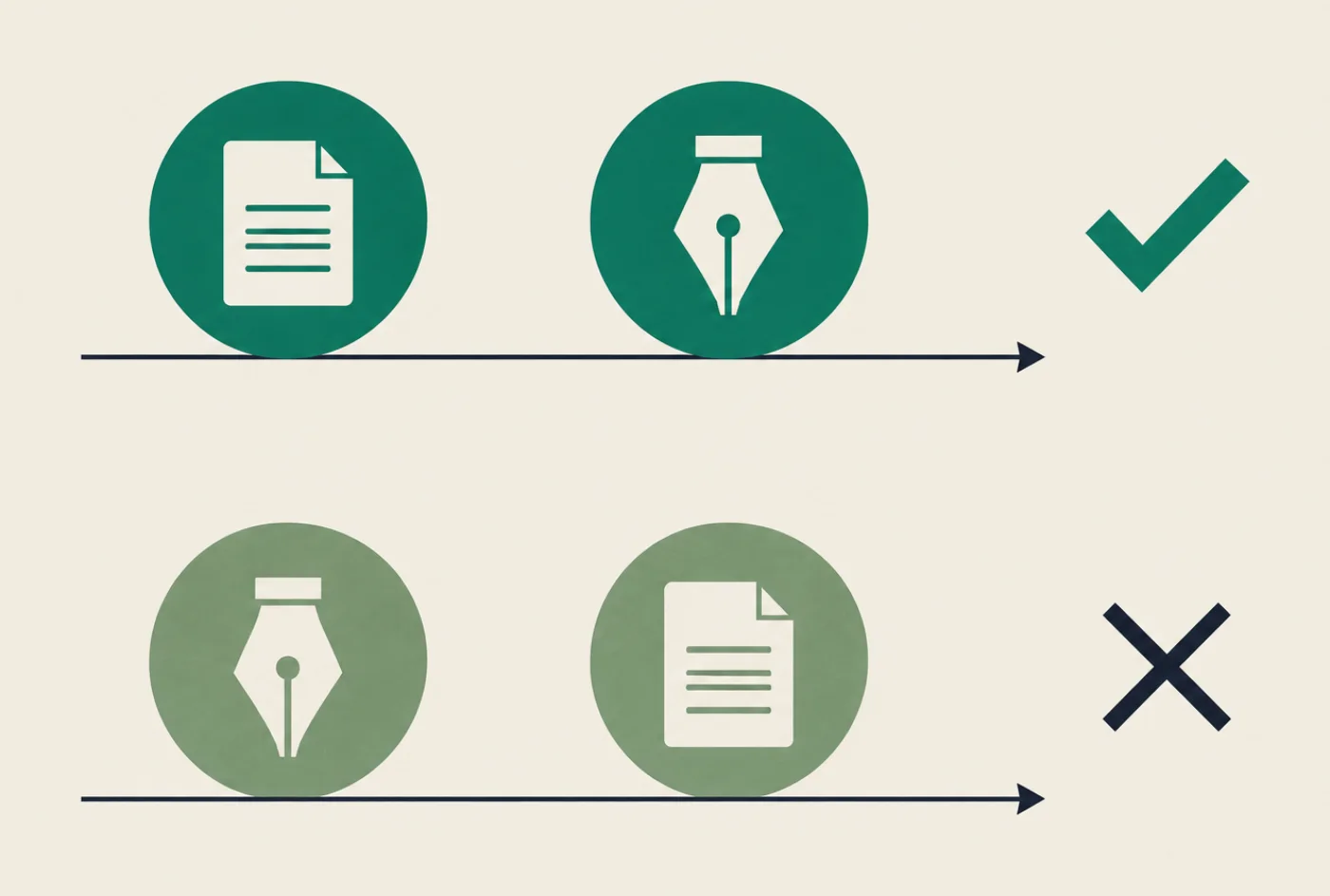
Since 15 September 2026 the order is the rule, not a formality.
This is where the September 2026 reform bites.
The business-aid reform in force since 15 September 2026 reinforced the requirement that applications be submitted before the business makes a binding commitment to its supplier.
The Chambre des Métiers is direct about it: do not sign a quotation and do not pay an advance before submitting the aid request and receiving the acknowledgement confirming the incentive-effect requirement has been met.
So no ordering the system, paying the provider and applying for reimbursement afterwards. Complete the preliminary assessment and the application before you are contractually committed.
4. Submit through MyGuichet.lu
The same reform changed how applications are filed. A Guichet.lu update published on 8 October 2026 states that applications under the reformed framework must now be submitted online through MyGuichet.lu. Post and email alone are no longer accepted.
Applicants or their authorised representatives need electronic authentication, LuxTrust or an electronic identity card.
The House of Entrepreneurship and eHandwierk still assist with SME Packages applications, and the Chambre des Métiers has confirmed it continues to file them for craft businesses. Because the dedicated SME Packages – AI page still describes the older administrative process, confirm with your adviser who performs the online submission and which documents they need.
The Ministry of the Economy assesses the application against the programme's requirements.
The reform set out a clearer decision framework. According to the government and the Chambre des Métiers, a decision should generally come within three months of receipt of a complete application, and the reform introduces a principle under which administrative silence may count as approval, subject to the legal conditions.
That is not the same as every application being approved three months after a company first phones an adviser. Making an enquiry, submitting an application and having a complete file accepted for examination are three different events. Ask your adviser how the decision period applies to your file, and get your project's status confirmed before work starts.
6. Implement
Once the approval is in hand, the provider delivers, and the work should match the agreed scope.
For an AI receptionist that might mean preparing company-specific information, configuring call handling, setting escalation rules, testing the agent and connecting it to the business systems it needs.
The company's job does not end at installation. Whoever uses the system has to know what it does, what it cannot do, and what happens when it goes wrong. The programme also includes an evaluation stage after implementation, looking at satisfaction and the benefits achieved.
7. Pay, then get reimbursed
The company settles the provider's final invoice. The Ministry then pays the approved grant against the eligible expenditure.
Keep the paperwork: quotations, invoices, proof of payment, evidence of the work delivered. Follow your adviser's instructions on the payment claim.
The financial shape does not change. The subsidy arrives after the investment. It is not deducted from the provider's invoice at the start.
Arranging the preliminary assessment and preparing a usable quotation. The Ministry's assessment of the application. The implementation itself. Then evaluation, invoicing and reimbursement.
The reform clarified the second of those, with the three-month framework for complete applications. The dedicated SME Packages – AI guidance does not publish a guaranteed duration for the whole route from first consultation to money arriving, and there is no standard reimbursement date.
So leave time. A business planning an AI system should not assume it can start the week after the supplier's quotation lands.
That matters most when the problem is urgent. If you need phone coverage next week, work out whether something temporary bridges the gap while the funded implementation goes through the procedure.
What changed in September 2026
The revised framework entered into force on 15 September 2026, modernising the law governing support for micro, small, medium and certain large enterprises.
For SME Packages applicants the relevant changes are: online-only applications, clearer decision periods, and a firmer line on applying before entering commitments with suppliers. The reform also revised parts of what counts as eligible investment expenditure and clarified conditions across several forms of aid.
Which is a reason to distrust promotional material and older summaries of the scheme. Guichet.lu still describes the AI programme as 70% support on qualifying projects between €3,000 and €25,000 excluding VAT, and the September 2026 framework has to be read alongside those programme-specific conditions.
Ask your adviser which rules apply to an application submitted now.
Previous support does not necessarily block an application, but it can affect eligibility.
The programme page refers to EU Regulation 2023/2831 on de minimis state aid. The general ceiling there is €300,000 of de minimis aid per single undertaking over any three-year period. That is a limit across relevant government aid, not an extra allowance available through SME Packages – AI.
The revised Luxembourg framework also sets conditions on how often certain kinds of support can be requested.
If your company has already had SME Packages or other public subsidies, disclose it during the preliminary assessment. The adviser can then work out whether it restricts the new project.
Luxembourg runs more than one AI support mechanism, and these two get confused.
SME Packages – AI is for implementing a practical AI solution within a defined project budget.
Fit 4 AI, coordinated by Luxinnovation, is for companies that want a broader analysis of their AI opportunities, internal capabilities and options. It funds an expert assessment and an action plan, and it has its own eligibility framework, budget and subsidy rate.
If you already understand the problem and want to introduce a reasonably straightforward tool, SME Packages – AI is the likelier starting point. If you are weighing AI across several departments and need a diagnostic before deciding what to build, look at Fit 4 AI.
The incentive is real. Choosing the wrong project is still expensive.
Is the solution addressing something measurable? An agent handling enquiries should be judged against actual call volumes, response times and the quality of what it captures. A document tool should remove identifiable administrative work rather than add another system to the stack.
Has the adviser confirmed the costs? The quotation should separate implementation from ongoing service. You want to know which expenditure has been accepted, not a supplier's general assurance that the project is subsidised.
Can you pay the full invoice before reimbursement? The eventual grant does nothing for short-term liquidity. Budget for the initial payment and for uncertainty about the exact reimbursement date.
What does it cost after implementation? Subscription, usage, hosting and support fees carry on. They can decide the long-run economics of an investment whose setup was heavily subsidised.
Who is responsible when it goes wrong? An agent handling customer information needs permissions, security and oversight. For anything customer-facing, assess the GDPR and AI transparency obligations as well.
A grant lowers the cost of the first project. It does not establish that the technology will be suitable, reliable or worth having.
Where to get official help
The most useful first conversation is with whichever organisation does your preliminary assessment.
House of Entrepreneurship, Luxembourg Chamber of Commerce, for commercial and other non-craft businesses. Telephone +352 42 39 39 600, email [email protected], houseofentrepreneurship.lu.
It makes a real difference to the upfront cost. An eligible €10,000 project can leave a net implementation cost of €3,000 excluding VAT after reimbursement, which for a small company can turn something unaffordable into something realistic.
The support sits inside a wider push for business modernisation. Figures published by the Ministry of the Economy in May 2026 record 533 applications approved across SME Packages Digital, AI and Cybersecurity in 2025, representing €5.2 million in aid. That covers all three programmes together and says nothing about how many AI projects were approved individually or how they turned out. It does show the scheme is an established part of the system.
What matters more is the project underneath.
An AI receptionist that reliably captures enquiries worth having might justify its cost. An automation that removes repetitive administration could free up real working time. A well-integrated service assistant might make a small business more consistent.
But public funding should not reverse the order of the decision. The problem first, then the technology that addresses it, and only then the question of whether the state will help pay.
SME Packages – AI makes a worthwhile project cheaper. It does not make a bad project worth doing.
Legal note: this reflects the official sources available on 13 October 2026. The dedicated SME Packages – AI page has not yet absorbed every procedural detail of the September 2026 reform. Confirm project-specific eligibility, qualifying expenses, filing requirements and authorisation to begin work with the House of Entrepreneurship or eHandwierk before committing to an investment.